
In today’s life, money, debt is a fact that cannot be escaped by millions of people and business organizations. Ranging from unpaid credit card accounts to medical expenses, loans, and late Debt Stetlement Payment Processors for electricity and water, keeping up with finances is a test for people. This has generated an enormous list of services, such as debt relief programs, debt settlement businesses, debt consolidation, and debt management specialist businesses.
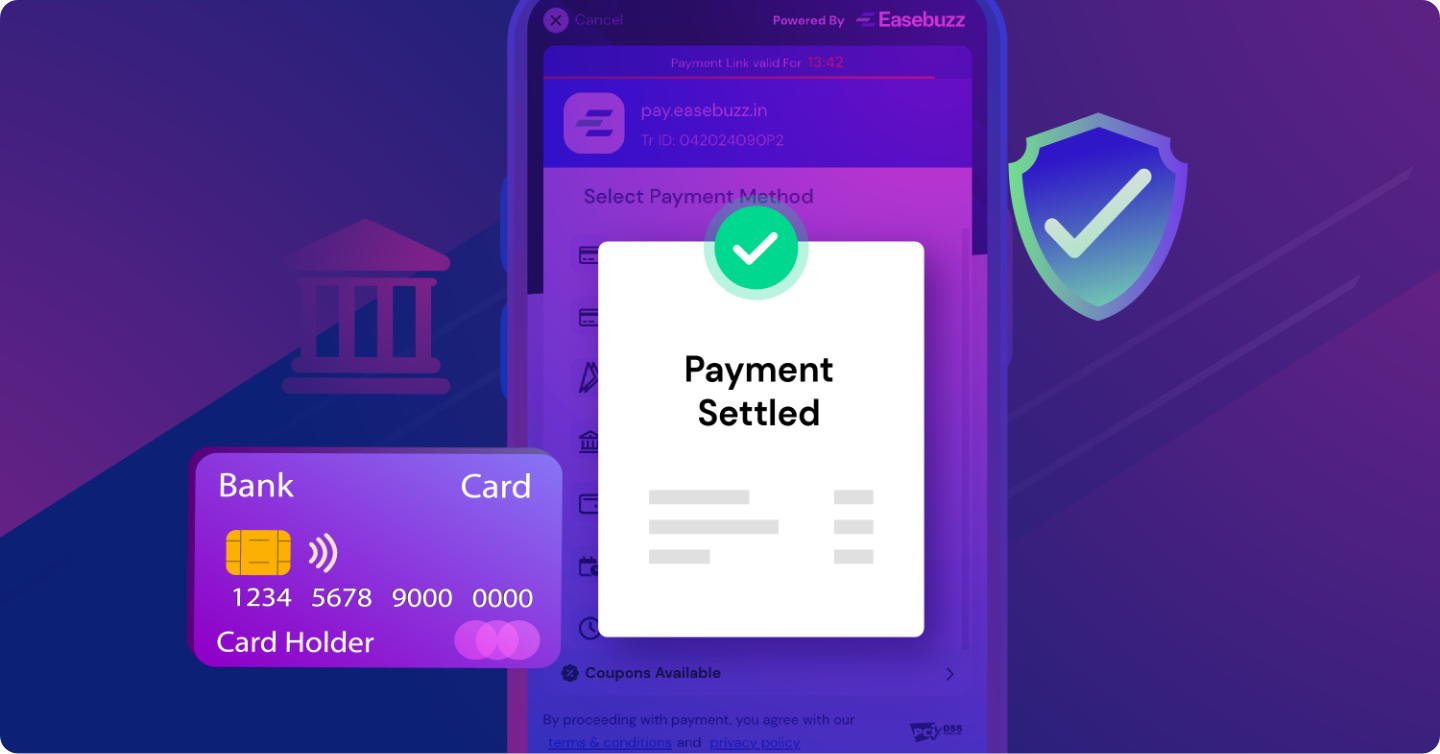
Debt Settlement Payment Processors: Why They Matter
Arguably one of the most important — yet often overlooked — parts of the debt settlement process is the role of debt settlement payment processors. These are companies or platforms that ensure funds move properly, securely, and on time between the debtor, the debt settlement company, and the creditor. Without reliable processing, even the best debt settlement or negotiation program can face delays, accounting errors, or legal complications.
What Are Debt Settlement Payment Processors?
Debt settlement payment processors are specialized financial service providers that manage transaction activity within a settlement program. They typically receive payments from clients, hold those funds in dedicated trust or escrow accounts, and distribute money to creditors according to agreements negotiated by debt settlement companies. They do not negotiate balances. Their responsibility is to make sure payments are executed exactly as agreed, creating transparency and trust among all parties.
How Payment Processors Fit Into the Debt Settlement Process
The process usually begins when a consumer enrolls in a debt settlement or other debt-relief program. After reviewing the client’s financial situation, the debt settlement company proposes a strategy. This may include:
- A lump-sum settlement
- A structured repayment plan
- In some situations, consolidation or hybrid approaches
Once a settlement agreement is reached with creditors, the payment processor manages the movement of money. The processor collects scheduled deposits from the client, safeguards the funds, and sends payments to creditors at the appropriate time while complying with state and federal requirements. Clients can track progress without having to interact directly with creditors, and creditors gain confidence they will be paid as promised.
Debt Consolidation vs. Debt Settlement
Although sometimes confused, these strategies are different.
- Debt settlement focuses on negotiating to reduce the total balance owed.
- Debt consolidation combines multiple debts into a single loan, often with a lower interest rate.
Payment processors can support both. In consolidation, they distribute payments to each creditor. In settlement, they hold funds until the negotiated payoff amount is ready.
The Rise of Online Debt Settlement Services
Debt Stetlement Payment Processors have transformed how people enroll in and manage debt relief. Consumers can now:
- Sign agreements electronically
- Make secure online deposits
- Receive automatic reminders
- View real-time progress and reporting
- See exactly how funds are allocated
Many online programs are directly integrated with Debt Stetlement Payment Processors, creating faster, more accurate transactions and a smoother customer experience.
Debt Negotiation and the Role of Processing
Debt settlement services negotiation services communicate with creditors to reach a reduced payoff figure. Once that number is agreed upon, timing becomes critical. Many settlements require prompt or immediate payment. A dependable processor ensures funds are available and transferred without delay, helping prevent cancelled agreements or legal complications.
Key Benefits of Debt Settlement Payment Processors
Security & Fraud Protection
Funds are maintained in protected accounts, reducing the risk of misuse.
Transparency
Clients receive clear records of deposits, fees, and creditor Debt Stetlement Payment Processors.
Regulatory Compliance
Processors help ensure transactions meet applicable legal standards.
Efficiency
Automated schedules minimize missed deadlines.
Professional Management
Settlement companies can focus on negotiations rather than payment logistics.
Better Client Experience
Consumers gain confidence knowing specialists handle their money.
Flexibility
Processors can accommodate lump sums, installments, or consolidated payments.
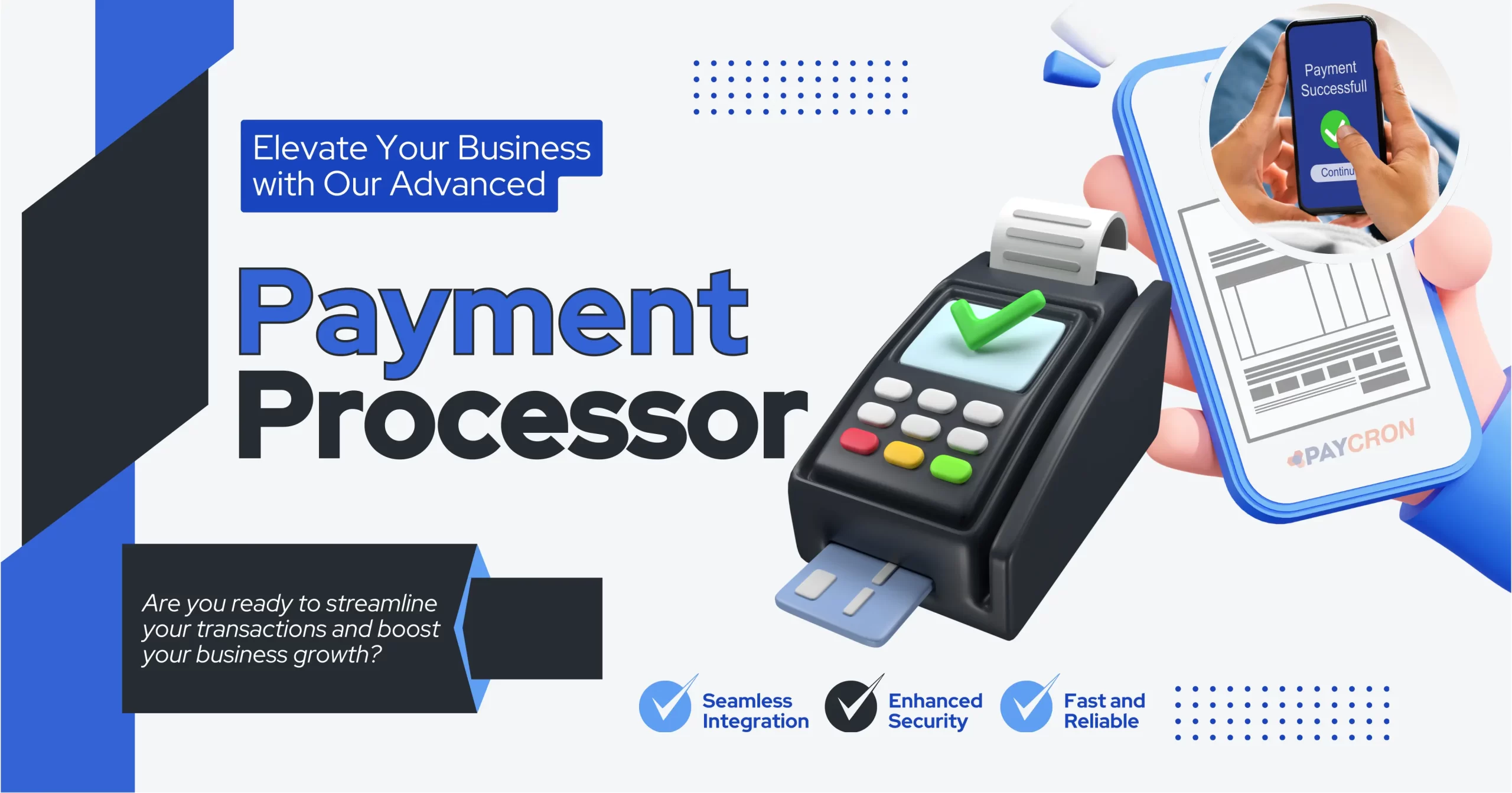
Choosing the Right Payment Processor
The right partner can significantly affect the success of a recovery plan. Important factors include:
- Strong encryption and fraud prevention
- Compliance with regulations
- Reasonable transaction costs
- Easy integration with settlement platforms
- Reliable, timely disbursement
- Responsive customer support
The Role of Debt Settlement Services
Debt settlement services may include legal guidance, financial counseling, and direct negotiation with creditors. Regardless of approach, payments must move securely and on schedule. Whether the solution is a reduced payoff or simplified consolidation, processors ensure each transaction is accurate and documented.
The Future of Debt Settlement Payment Processing
Advancing technology is making payment management smarter and more automated. Emerging systems can:
- Help forecast optimal settlement strategies
- Automate funding timelines
- Identify risks before they become problems
- Integrate with mobile apps for real-time visibility
The result is a future where debt relief becomes faster, more transparent, and easier for consumers to manage.than before.

Conclusion
Debt settlement payment processors are the unsung heroes of debt collection. While debt settlement companies and firms negotiate the best possible terms, and debt management businesses make plans achievable, the processor is the one who makes it happen. Whether the plan is debt relief programs, debt settlement services, debt consolidation, or internet debt settlement services, these processors provide the compliance, security, and efficiency needed to carry the process through to completion. They fill the gap that exists between application and negotiation, taking financial concepts and turning them into reality. or each of its clients seeking debt settlement, what payment processors do is what makes a success or a failure. With the proper payment processors for debt settlements, clients can stick to their debt settlement programs, have access to various debt settlement plans, and be financially sound again.
FAQs
What exactly does a debt settlement payment processor do?
A debt settlement payment processor facilitates it easy to pay money by consumers to creditors in debt settlement services with security, compliance, and transparency.
Do debt settlement payment processors process debt consolidation?
Yes, they can also process debt consolidation payments by paying money to creditors according to the consolidation agreement.
Are debt settlement services provided online safe?
There are good and bad debt settlement payment processors. There is a good payment processor that is an encrypted, secure system employed by supervised, legitimate accounts to safeguard customer funds.
Do all debt relief plans receive services from payment processors?
Certain debt relief plans employ the use of a payment processor, particularly if the plans include escrow accounts or recurrent payments to creditors.
How do I select a good debt settlement payment processor?
Find one that is compliant with debt settlement plans, has low fees, is compliant with regulations, and is also good security.