
In today’s rapidly evolving digital economy, businesses must deliver seamless, secure, and scalable payment experiences to stay competitive. Two common approaches to enabling payment processing are white-label payment gateways and custom-built payment solutions. While both can effectively support online transactions, each serves different business needs. Understanding the key differences between these options can help you choose the payment solution that best aligns with your business goals.

What Are White-Label Payment Gateways?
White-label payment gateways are pre-built payment solutions offered by service providers that can be rebranded and customized with a business’s own visual identity and branding elements. This approach allows companies to launch a fully functional payment gateway quickly, without the time, cost, and complexity involved in building a solution from scratch.
Benefits of White-Label Payment Gateways
Quick Time-to-Market: White-label solutions are ready-made so that the time required in deploying it is reduced.
Cost-Effective: No need for heavy development, infrastructure, and maintenance.
Compliance and Security: Most of the white-label providers ensure that their gateways are PCI DSS compliant and follow the PSD2 standard.
Support and Maintenance: Providers will take care of software updating, bug fixing, as well as compliance obligations.
Scalability: Normally, the white-label gates support multi-currency and cross-border payment services.
Customizability: Firms can add their branding while even making slight modifications to comply with their needs.
Disadvantages of White-Label Payment Gateways
Limited Customization: Though rebranding is allowed, core functionalities and workflows can be limited.
Dependence on the Provider: Business depends on the provider for updates, integrations, and issue resolution.
Ongoing Costs: Monthly fees or transaction-based pricing models add up over time.
What Are Custom-Built Payment Solutions?
Custom-built payment solutions are specifically designed payment gateways created from scratch to fulfill certain business requirements. These solutions allow full control over features, design, and infrastructure.
Advantages of Custom-Built Payment Solutions
Full Customization: Businesses can design the payment gateway to suit their operational requirements and user experience goals perfectly.
Brand Identity: A fully bespoke solution increases brand uniqueness and user trust.
Scalable Infrastructure: Businesses can scale the system as they grow, adding new features and capabilities as needed.
Control Over Security: Companies can implement advanced security measures beyond standard compliance.
Flexibility for Integration: Custom gateways can easily be integrated with existing systems, APIs, and third-party services.
Challenges of Custom-Built Payment Solutions
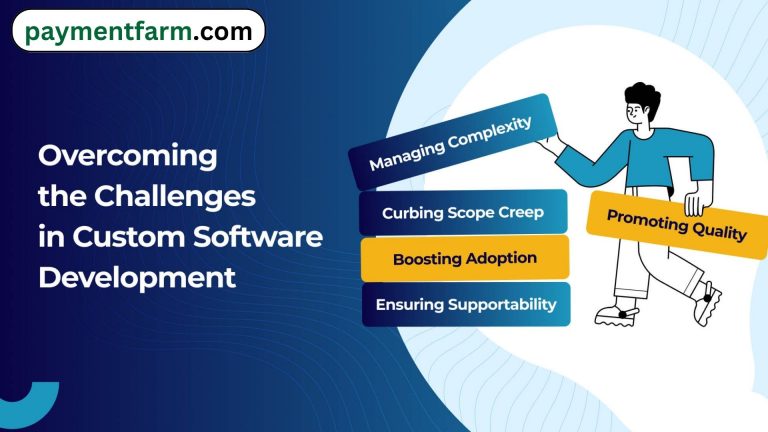
High Initial Costs: Development, testing, and deployment require a lot of financial investment.
Time-Consuming: Any payment solution built from the ground up takes months or maybe even years. Maintenance is very constant, and businesses need proper teams for updates, regulatory compliance, and infrastructure handling.
Regulatory Issues : Compliance with PSD2 or PCI DSS needs good expertise.
Key Determinants to Choose Between White Label and Custom-Built Solution
Business Size and Scale:
Small and medium-sized businesses often benefit from white-label solutions due to their affordability and faster deployment. Larger enterprises, on the other hand, may have complex requirements that call for fully custom-built systems.Budget:
White-label payment gateways require significantly lower upfront investment and offer quicker implementation, while custom-built solutions involve higher initial costs.Time-to-Market:
Organizations that need to launch a payment solution quickly are better suited to white-label options.Long-Term Vision:
Businesses with clear long-term goals around customization, scalability, and ownership may find custom-built solutions more sustainable over time.Regulatory Compliance:
While both approaches can comply with standards such as PCI DSS and PSD2, custom solutions provide greater control over compliance features and security configurations.User Experience:
When the payment experience is a critical part of your brand differentiation, a custom solution allows greater flexibility to design and optimize the user journey.
The Future of Payment Processing
It keeps expanding on the back of smooth, secure, and flexible payments options from e-commerce and fintech innovation as well as international trade. Scalability,
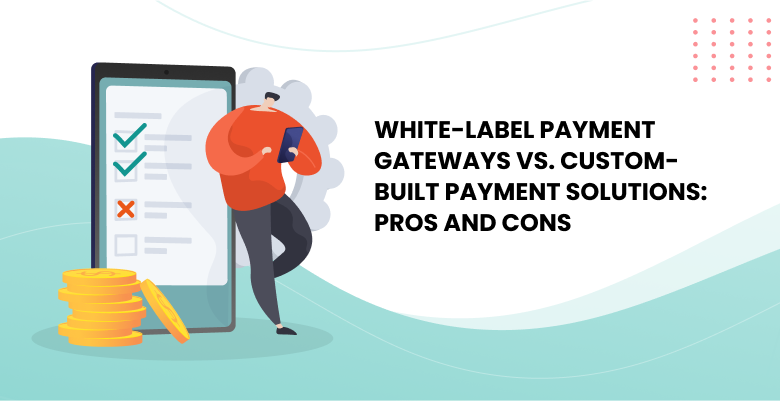
security, and compliance should be at the top of business concerns regarding securing a firm footing on a very competitive playing ground-be it a white label gateway or a custom-built solution for payments.
Major Trends that Payment Gateways Have to Address
It needs to interface with the digital wallet; for that purpose, its participation is more in demand by today’s customers who prefer more and more digital wallets than before.
Multi-currency capabilities and localized payment methods will have to be the prerequisite in the global markets
Payment gateway APIs enable more functionalities and greater integration. This software as a service payment solution shall provide a white-label gateway that becomes accessible to the small and the medium-sized enterprises.
Conclusion
Each white-label payment gateway and custom-built solution has its merits for businesses based on the specific needs, available resources, and goals. If companies need speed and saving costs are the primary requirement, then white-label gateways are a pretty robust solution for them. Business focused on highly customized experiences and being fully in control can pay for customization, as for them, it might be worth every penny. Weigh up the level of your needs, the long-term goals, and other available resources to choose the kind of approach that better suits the strategy.
FAQs
What Is a White-Label Payment Gateway?
A white-label payment gateway is a pre-built payment processing solution that businesses can rebrand and customize with their own visual identity. It allows companies to offer secure, reliable, and seamless payment experiences under their own brand—without the time, cost, or complexity of building a gateway from the ground up.
Difference Between Custom-Built Payment Solutions and White-Label Gateways
Custom-built payment solutions are developed specifically to meet a business’s unique operational, technical, and compliance requirements. They provide full control over design, features, and infrastructure.
In contrast, white-label payment gateways are ready-to-deploy solutions with limited customization but significantly faster implementation, reduced development effort, and lower risk.
Are White-Label Payment Gateways PCI DSS Compliant?
Yes. Trusted white-label payment gateway providers design their platforms to be fully PCI DSS compliant, ensuring secure handling, processing, and storage of sensitive cardholder data in line with industry security standards.
What Are the Key Advantages of Custom-Built Payment Gateways?
Custom-built payment gateways offer several strategic benefits, including:
A fully tailored user and checkout experience
Greater scalability to support business growth
Enhanced control over security and compliance features
Flexible integration with existing systems, platforms, and workflows
Which Payment Gateway Is More Cost-Effective for Small Businesses?
For small and growing businesses, white-label payment gateways are typically the more cost-effective option. They require lower upfront investment, faster setup, and minimal development resources compared to custom-built solutions.
Do White-Label Payment Gateways Support Cross-Border Payments?
Yes. Many white-label payment gateways support cross-border transactions by enabling multi-currency processing and integration with a wide range of international and local payment methods.
How Long Does It Take to Develop a Custom-Built Payment Solution?
Building a custom payment solution usually takes several months and may extend beyond a year, depending on the complexity of features, integrations, security requirements, and regulatory compliance.
What Is PSD2, and Why Does It Matter for Payment Gateways?
PSD2 (Payment Services Directive 2) is a European Union regulation aimed at strengthening payment security, promoting competition, and improving consumer protection. PSD2 compliance requires measures such as Strong Customer Authentication (SCA), secure data handling, and adherence to strict regulatory standards—making it a critical consideration for payment gateway providers and merchants alike.