
Network tokenization has been one of the rapidly emerging technologies in this transforming world of digital payments. Its security, reduced fraud, and bettering payment experience are enhanced by network tokenization. This guide deals with key aspects of network tokenization and its benefits and applications within modern payment systems.
What is Network Tokenization?
Network tokenization replaces sensitive payment information, such as credit card numbers, with unique, non-sensitive tokens. These tokens are issued and managed directly by the payment networks—like Visa, Mastercard, and American Express—ensuring secure and seamless transactions. Unlike third-party token vaults, where tokens are stored externally, network tokenization generates tokens directly within the payment network. This approach enhances integration, improves fraud protection, and boosts interoperability across different systems.
How Does Network Tokenization Work?
- Token Request: If the merchant wishes to effect the transaction, then the network requests a token.
- Token Generation: The network issues a token uniquely assigned to the account of the cardholder and transactional details.
- Dynamic Cryptogram: The network will append a cryptogram in each transaction that validates, during the actual time, if the token is valid.
- Transaction Processing: The payment network sends the token over the payment ecosystem as an actual card information substitute. This process secures the flow of payment, which is sensitive data and helps increase customer privacy.
Benefits of Network Tokenization
- Better Security: Tokens are worthless when intercepted, thus reducing the danger of data breaches.
- Decreased Fraud: Dynamic cryptograms make unauthorized use almost impossible.
- Improved PCI DSS Compliance: Reduces the scope of compliance requirements for merchants.
- Smooth Card Updates: Whenever a card is reissued, the network automatically updates the token, thus keeping on providing services without interruption for subscription-based payments.
- Cost Cutting: The network tokenization minimizes the transaction costs, reducing fraud and chargebacks.
- Interoperability: One can use tokens in any given payment gateway, mobile wallet, and even system, thus simplifying the eCommerce procedures.
Tokenization vs Encryption
Both methods protect payment information but for different reasons
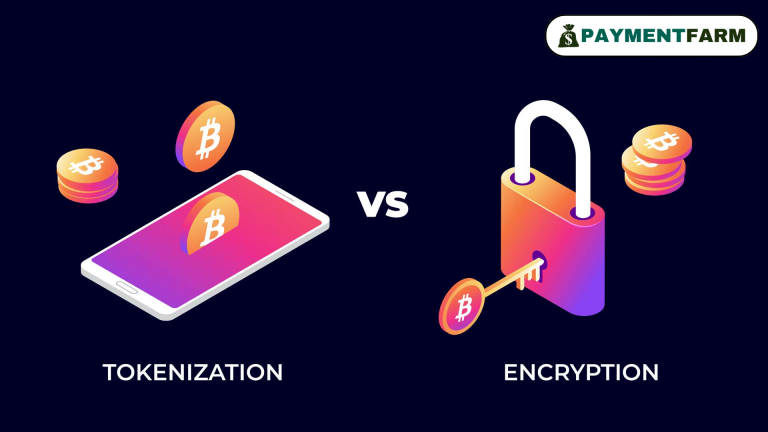
Tokenization replaces sensitive information by using tokens; however the original information is safely stored in the token vault.
- Encryption simply messes up information to make it illegible unless one knows the decryption key. Unlike encryption, tokens cannot be reversed, and hence is a safer alternative for secure payments.
Applications of Network Tokenization
- eCommerce: Protects online transactions, thereby boosting customer trust.
- Mobile Payments: Provides secure transactions through the digital wallet, such as Apple Pay and Google Pay.
- Recurring Billing: This ensures that the card information is updated to make subscription products easy to manage.
- Cross Border Payments: Reduces fraud and allows better security for international transactions
- Real-Time Payments: Ensures secure and same time processing of transactions to support business that require speed and security.
- Blockchain Integration: Network tokenization is integrated with distributed ledger technologies to enhance traceability and security of payments.
What types of businesses might need network tokens?
Every merchant selling online can use the card networks for the same reasons described in the previous section. However, there is a special utility for the businesses that sell subscription services. These are based on recurring payments, but if the customer’s card expires, the payment will not be honored; hence, there will be a lapse or a loss of revenue. Since the network tokens dynamically update the latest details, these businesses are less likely to encounter failed payments and decline the customer churn.
Network Tokenization for Merchants
For merchants, network tokenization gives them a competitive advantage through:
- Chargebacks Reduced: Security is enhanced, thus minimizing fraudulent disputes.
- Customer Experience Improved: Automatic updates of card information prevent service interruptions.
- Supporting Advanced Fraud Prevention: Dynamic cryptograms and real-time validation protect against evolving threats.
- Reduces operational costs: It simplifies compliance requirements and reduces the need for extensive data security measures.
Compliance and Privacy
Tokenization technology is in line with regulations such as PCI DSS and GDPR, ensuring data privacy and minimizing compliance burdens. With tokenization, merchants can process payments securely without exposing customer information by replacing sensitive data with tokens. Additionally, privacy focus encourages consumers to have trust in that matter, which is currently very important in the e-commerce environment.
Future of Network Tokenization
Improvements with regard to blockchain technology will allow network tokenization to develop more significantly into the future of tokenized payment systems and related real-time payments. Its combination with emerging technologies will improve security, efficiency, and user experience. Adoption of mobile wallets and digital-first payment solutions also marks a shift towards tokenized ecosystems, where seamless, secure, and user-friendly transactions take precedence.
To Sum Up
Network tokenization represents the future of payments’ security and innovation. In the process of substituting sensitive data with a safe, dynamic token, it does not only neutralize fraud but also accelerates transactions across different networks. With businesses embracing more digital-first payment solutions, network tokenization secures a future where payment ecosystems are safe, efficient, and compliant. Its enhanced security, lowered operation costs, and great experiences for customers benefit merchants, payment processors, and even the consumers. It is not just a competitive issue, but a must in such fast-changing environments of online trading.
Faqs
Network Tokens: Secure Digital Payment Identifiers
Network tokens are a type of digital identifier that enable secure online representation of payment information on behalf of cardholders. Instead of using the actual primary account number (PAN) and expiry date, network tokens replace these details with unique, non-sensitive identifiers that can be used in transactions safely.
What is Network Tokenization?
Network tokenization is the process of replacing sensitive payment data with unique tokens generated and managed directly by payment networks such as Visa, Mastercard, and American Express. This enhances security, simplifies integration, and reduces the risk of fraud, while maintaining seamless transaction processing.Which Businesses Need Network Tokenization?
Network tokenization is ideal for businesses that:
Handle high volumes of online or digital payments
Store customer payment information
Face a high risk of fraud
Examples include: e-commerce platforms, subscription services, financial and fintech institutions, healthcare providers, hotels, airlines, travel booking sites, multi-channel retailers, marketplaces, payment processors, gaming and entertainment platforms, and nonprofits/fundraising platforms.
How to Deploy Network Tokens in Your Business
Integrate tokenization into your payment system.
Replace card numbers with network tokens and test workflows before going live.
Update stored payment information with tokenized data in collaboration with your provider.
Communicate changes to customers and highlight improved security.
Monitor performance post-launch, maintain compliance, and train your team on the new system.
Can Network Tokens Work with Mobile Wallets?
Yes. Network tokenization secures mobile payments (e.g., Apple Pay, Google Wallet) by generating unique tokens for each transaction, ensuring sensitive cardholder information is never exposed.
What Happens When a Card is Reissued or Expired?
Payment networks dynamically update network tokens when a card is reissued or expires, ensuring uninterrupted services—especially important for subscription-based businesses.
How Does Network Tokenization Reduce Payment Fraud?
Dynamic cryptograms: Each token transaction generates a unique cryptogram validated in real time.
Fraud prevention: Unauthorized use is blocked, and intercepted tokens are unusable.