
In today’s competitive marketplace, small businesses need to offer simple payment options to win and maintain customers. Credit card processing is the backbone of modern commerce because it allows businesses to take electronic payments with ease. This article covers the basics of credit card processing for small businesses, incluIn ding the best merchant services, payment gateways, and ecommerce payment solutions that are best suited for their business needs.
What Is Credit Card Processing?
Credit card processing refers to the system that enables merchants to accept and complete payments using credit or debit cards. It involves several key participants, including the customer, the merchant, the payment gateway, and the credit card processor. When this process is seamless, secure, and efficient, it enhances customer trust and satisfaction—ultimately helping to increase sales.
If you want it more marketing-focused, here’s an alternative:
Credit card processing is the backbone of modern payments, allowing merchants to securely accept credit and debit cards. By connecting customers, merchants, payment gateways, and card processors, a smooth and reliable payment experience is created. The faster and safer the process, the better the customer experience—driving higher satisfaction and stronger sales growth.
Why is credit card processing important for small businesses?
Increased sales, improved cash flow, and increased customers’ confidence in small-scale businesses is some of the benefits realized from accepting credit cards. Many customers shun carrying cash, online payment processing and contactless payment are some of the solutions needed to remain competitive.
The Main Features of Credit Card Processing
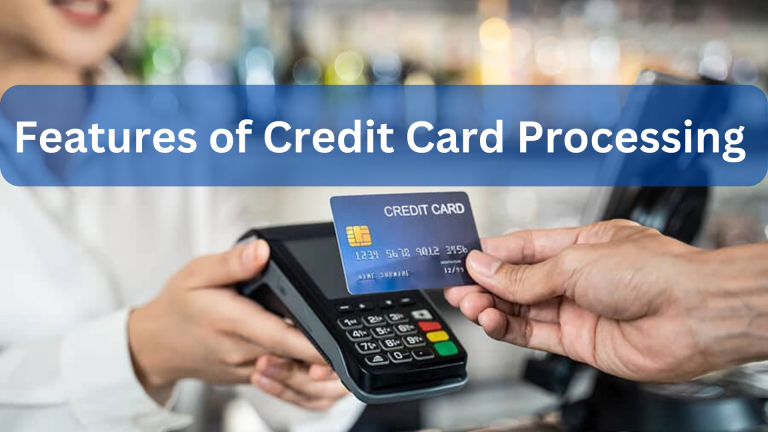
- Merchant account services: A merchant account is the middle man between a business and the financial institutions. They enable the movement of funds from payments from the customers to the merchant’s bank account. When choosing a merchant account provider, small businesses should consider fees, customer support, and compatibility with their payment gateway.
- Payment Gateways: Online payment gateways are those that allow businesses to take payments safely online. A few good providers of such services include Stripe, PayPal, and Square. All these service providers offer friendly small business online payment systems as well as ecommerce payment processing systems. In selecting the best payment gateway for small businesses, one should be balancing the cost and ease of integration and the security aspect.
- POS Systems for Small Businesses: Point-of-sale (POS) systems are hardware and software combinations that enable the acceptance of in-person payments. Many modern POS systems for small businesses offer contactless payment options, ecommerce integrations, and analytics capabilities.
Low-Cost Credit Card Processing
Small business owners have limited budgets; therefore, credit card processing fees should be kept low. The following are fee-influencing factors:
- Interchange Rates: These are set by credit card networks and usually cannot be negotiated.
- Merchant Account Fees: These would include setup, monthly, and transaction fees.
- Payment Gateway Fees: Some providers charge per transaction or a flat monthly rate.
Best Credit Card Processing Solutions for Small Businesses
- Square: Square is known to have a user-friendly interface and transparent pricing. Its services include online credit card processing for small businesses as well as POS systems.
- Stripe: Stripe is popular for ecommerce payment solutions because of its robust online payment processing services and highly customizable API.
- PayPal: PayPal combines online merchant services with a trusted brand name, making it ideal for businesses that value simplicity and security.
QuickBooks Credit Card Processing
QuickBooks integrates credit card processing directly with its accounting software, helping businesses streamline payments and simplify financial management. However, before committing, companies should carefully evaluate QuickBooks’ credit card processing fees to ensure they align with their budget and transaction volume.
High-Risk Merchant Accounts
Certain businesses—such as those operating in the gambling or CBD industries—may require high-risk merchant accounts due to higher chargeback ratios or increased regulatory oversight. These specialized accounts are designed to support higher-risk operations, and dedicated merchant account providers in both Europe and the United States offer tailored payment solutions to meet the unique needs of these industries.
Secure Online Payment Processing
With the rise in ecommerce online payment security is paramount. Businesses should prioritize:
- PCI Compliance: Ensuring their payment processing solutions adhere to industry standards.
- Fraud Prevention Tools: Use encryption and tokenization for example.
- Electronic Bill Presentment and Payment: This provides the customers with safe means of receiving an invoice.
Regional Considerations: Merchant Services in Europe
Choosing a payment processing company that is well-versed in regional regulations is especially important when handling European business transactions. Many providers offer customized merchant account services and payment processing solutions specifically designed for the European market.
Digital payment solutions and virtual cards for online transactions are rapidly gaining popularity. Innovations such as e-commerce merchant services and electronic bill presentment and payment (EBPP) are making transactions faster, more secure, and more convenient. To remain competitive, small businesses must stay informed about emerging payment technologies and adapt to evolving customer expectations.
Conclusion
Credit card processing is one of the essentials of running a successful small business. Choosing the right merchant services, payment gateways, and processing solutions helps businesses provide their customers with secure and efficient payment options. Whether ecommerce payment methods or POS systems are focused on, small businesses have more tools than ever to streamline transactions and boost growth.
FAQs
What is the cheapest way to process credit cards for small businesses?
A small business can enjoy the lowest processing fees for its credit card by availing a transparent, low-credit-card-processing service. Some of these services available for small businesses are Square or Stripe; they are some of the best rate providers with no hidden charges.
Do I need to have a merchant account in order to receive credit card payments?
Yes, most businesses require a merchant account to accept credit card payments. However, some platforms such as PayPal and Square provide the merchant service in combination with the payment solution, which might be less complicated.
What is a high-risk merchant account?
A high-risk merchant account simply refers to companies with high risks of experiencing a chargeback or businesses classified within some industries, for example, gambling or CBD. In these accounts, there will be more costs but assure help to that kind of businesses.
How do I ensure my safety in online payment processing?
This also incorporates factors concerning PCI compliance, encryption, and fraud prevention tools that will ensure secure online payment processing. This also entails the choice of a safe payment gateway.
Which is the best ecommerce payment gateway?
Stripe and PayPal are recommended for ecommerce payment solution because of its strong feature and scalability with a safe transaction process.
What is PCI compliance, and why is it crucial for small businesses?
PCI compliance ensures that businesses adhere to industry security standards, protecting customer data during transactions and reducing the risk of fraud.
How can small businesses accept payments without a merchant account?
Solutions like PayPal and Square integrate merchant account services into their platforms, allowing businesses to accept payments without needing a separate merchant account.
What are high-risk merchant accounts, and which businesses need them?
High-risk merchant accounts cater to industries like gambling or CBD, which face higher chargeback rates or regulatory scrutiny. These accounts provide tailored solutions for such businesses.
What are the latest trends in payment processing for small businesses?
Emerging trends include digital payment solutions, virtual cards, and secure ecommerce payment methods that prioritize speed, convenience, and fraud prevention.