
In today’s interconnected digital economy, Cross-Border E-commerce has become one of the fastest-growing segments of global trade. Consumers are no longer limited to local marketplaces; they can purchase products from international brands with just a few clicks.

From fashion and electronics to digital services and niche products, cross-border online shopping has opened up new growth opportunities for businesses of all sizes. However, while the potential is enormous, selling across borders comes with unique operational, financial, and regulatory challenges. To succeed internationally, businesses must adopt effective cross border e-commerce solutions, including reliable logistics systems, compliance strategies, and robust Payment provider solution frameworks. This article explores the major challenges of Cross-Border E-commerce and the practical solutions that help businesses expand successfully into global markets.
Understanding Cross-Border E-commerce
Cross-Border E-commerce refers to the online sale of goods or services between businesses and consumers located in different countries. Unlike domestic e-commerce, cross-border trade involves multiple currencies, international shipping, customs regulations, and diverse consumer behaviors. The rise of digital marketplaces, global shipping networks, and fintech innovation has fueled its growth. Consumers are attracted to:
- Access to unique or lower-cost products
- Wider product variety
- International brand availability
- Competitive pricing
For businesses, it offers:
- Access to new revenue streams
- Market diversification
- Increased brand visibility
- Economies of scale
Yet, expansion beyond national borders requires careful planning and reliable cross border e-commerce solutions.
Key Challenges in Cross-Border E-commerce
1. Payment Processing and Currency Complexity
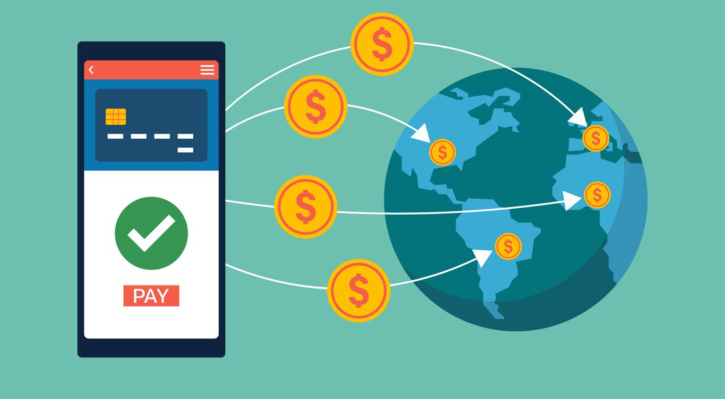
One of the biggest obstacles in Cross-Border E-commerce is handling international payments. Customers prefer paying in their local currency using familiar payment methods. If businesses fail to provide this flexibility, they risk cart abandonment.
Challenges include:
- Currency conversion fees
- Exchange rate fluctuations
- Fraud risks
- Limited local payment options
- Cross-border transaction fees
Without a strong Payment provider solution, businesses may struggle to provide a seamless checkout experience.
2. Regulatory and Compliance Issues
Each country has its own tax laws, import/export rules, and consumer protection regulations. Managing these differences can be overwhelming. Common regulatory challenges include:
- VAT/GST registration and compliance
- Customs duties and tariffs
- Product restrictions
- Data protection laws
- Local consumer rights regulations
Non-compliance can lead to penalties, shipment delays, or even market bans. Businesses need structured cross border e-commerce solutions to navigate regulatory landscapes effectively.
3. Logistics and Shipping Barriers
Shipping products internationally is more complex than domestic fulfillment. Issues such as long delivery times, high shipping costs, and customs clearance delays can impact customer satisfaction.
Key logistics challenges:
- High international shipping fees
- Customs documentation errors
- Delays at border checkpoints
- Product damage during transit
- Difficult returns management
Customers today expect fast and affordable shipping. Failure to meet expectations can damage brand reputation.
4. Fraud and Security Risks
Cross-border transactions often carry higher fraud risks. Differences in verification systems and payment security standards across countries increase vulnerability.
Fraud risks include:
- Stolen credit cards
- Chargebacks
- Identity theft
- Account takeovers
Implementing a secure Payment provider solution with advanced fraud detection is essential to mitigate risks.
5. Cultural and Language Differences
Expanding into international markets requires understanding local consumer behavior, language, and cultural preferences.
Challenges include:
- Language barriers
- Misaligned marketing messages
- Differences in purchasing habits
- Customer service expectations
Localization plays a critical role in success.
6. Customer Trust and Brand Recognition
Consumers may hesitate to purchase from foreign brands due to concerns about product authenticity, shipping reliability, and return policies. Building trust requires:
- Transparent pricing
- Clear return policies
- Reliable customer support
- Secure payment options
Without trust, even the most competitive pricing may not convert into sales.
Solutions to Overcome Cross-Border E-commerce Challenges
To address these challenges, businesses must adopt comprehensive cross border e-commerce solutions that integrate technology, compliance, and operational efficiency.
1. Implementing a Robust Payment Provider Solution
A strong Payment provider solution is the foundation of successful Cross-Border E-commerce. Modern payment platforms offer:
- Multi-currency processing
- Real-time exchange rate conversion
- Local payment method integration
- Fraud detection tools
- Secure encryption protocols
Offering local payment options such as digital wallets, bank transfers, and regional payment systems significantly increases conversion rates. An effective payment provider solution also simplifies settlement processes and reduces transaction fees through optimized routing and global banking partnerships.
2. Leveraging Automated Tax and Compliance Tools
To manage international regulations efficiently, businesses can use automated compliance software that:
- Calculates VAT/GST automatically
- Generates customs documentation
- Tracks changing regulations
- Ensures product compliance
These cross border e-commerce solutions reduce the risk of fines and shipment delays while improving operational efficiency.
3. Partnering with Global Logistics Providers
Collaborating with experienced international shipping providers helps streamline fulfillment processes. Effective logistics strategies include:
- Warehousing in key regions
- Using local distribution centers
- Partnering with customs brokers
- Offering tracking and delivery updates
Some businesses adopt a hybrid fulfillment model, combining local inventory storage with international shipping to reduce delivery times.
4. Enhancing Fraud Prevention Systems
Fraud management is critical in Cross-Border E-commerce. Advanced security tools can include:
- AI-based fraud detection
- Multi-factor authentication
- Address verification systems
- Behavioral analytics
A modern Payment provider solution integrates fraud prevention tools directly into the payment gateway, reducing chargebacks and financial losses.
5. Localizing the Customer Experience
Localization goes beyond translation. Successful cross border e-commerce solutions include:
- Local language websites
- Country-specific pricing
- Regionally tailored marketing campaigns
- Culturally relevant promotions
Offering localized customer service and support further enhances trust and satisfaction.
6. Transparent Pricing and Clear Policies
Customers appreciate transparency. Displaying:
- Final costs including taxes and duties
- Shipping timelines
- Easy return processes
helps build confidence and reduce abandoned carts. Many businesses now use “Delivered Duty Paid” (DDP) shipping options, ensuring customers know the total cost upfront.
The Role of Technology in Cross-Border Growth
Technology is the backbone of modern Cross-Border E-commerce. Integrated platforms combine inventory management, logistics, payment processing, and analytics into one ecosystem. Advanced cross border e-commerce solutions may include:
- Cloud-based e-commerce platforms
- AI-driven customer insights
- Cross-border marketplace integrations
- API-based payment systems
- Blockchain-based transaction security
By leveraging technology, businesses can scale globally without significantly increasing operational complexity.
Emerging Trends in Cross-Border E-commerce
As global trade evolves, several trends are shaping the future:
1. Digital Wallet Expansion
Digital wallets are becoming dominant in many regions. Businesses that integrate local wallet options through a Payment provider solution gain a competitive advantage.
2. Cross-Border Marketplaces
Global marketplaces are simplifying international expansion by handling logistics and compliance.
3. Buy Now, Pay Later (BNPL)
Flexible payment options improve affordability and boost international sales.
4. AI-Powered Personalization
AI-driven recommendations enhance customer engagement across diverse markets.
5. Sustainability Considerations
Eco-conscious consumers expect transparent and responsible international shipping practices.
Strategic Steps for Successful Global Expansion
Businesses aiming to thrive in Cross-Border E-commerce should:
- Conduct market research to identify target regions.
- Choose scalable cross border e-commerce solutions.
- Partner with a trusted Payment provider solution.
- Ensure full regulatory compliance.
- Optimize logistics and delivery times.
- Focus on localization and customer trust.
- Continuously monitor performance metrics.
A phased expansion approach often reduces risks compared to entering multiple markets simultaneously.
Conclusion
Cross-Border E-commerce represents a significant opportunity for businesses to expand globally and tap into new customer bases. However, it comes with challenges related to payments, compliance, logistics, fraud, and localization. By adopting comprehensive cross border e-commerce solutions and integrating a reliable Payment provider solution, businesses can overcome these obstacles and create seamless international shopping experiences. In a world where digital commerce knows no boundaries, companies that invest in scalable infrastructure, secure payment systems, and customer-centric strategies will lead the next wave of global growth. Cross-Border E-commerce is not just a trend—it is the future of international trade.