
The rapid evolution of digital commerce has transformed how individuals and businesses handle transactions. From contactless cards and mobile wallets to cryptocurrency and real-time transfers, the Modern Payment Systems
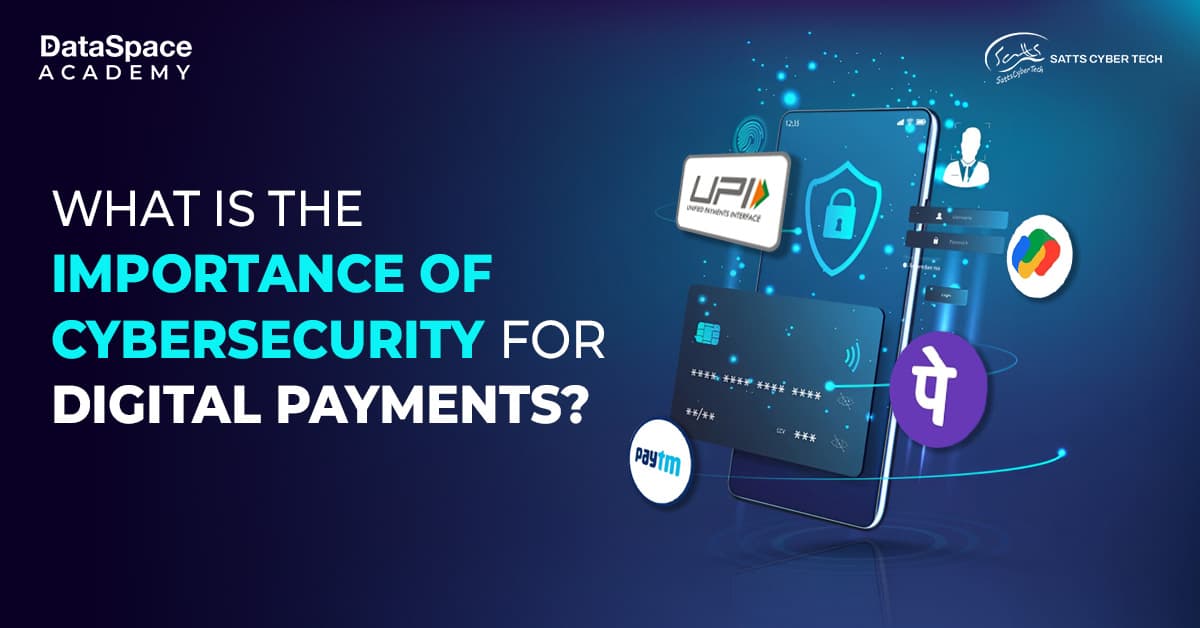
has made financial transactions faster and more convenient than ever before. However, as payment technologies advance, so do cybersecurity threats. Businesses, financial institutions, and every payment provider must now prioritize security to protect sensitive financial data and maintain customer trust.
In this article, we will explore the key cybersecurity challenges facing today’s Modern Payment System, the risks involved, and how organizations can strengthen their Secure Payment Solution against cyber threats.
The Evolution of the Modern Payment System
The traditional payment ecosystem once relied heavily on cash and manual card processing. Today, the Modern Payment System includes:
- Online payment gateways
- Mobile payment apps
- Contactless and NFC payments
- Digital Payment Ecosystems wallets
- Peer-to-peer (P2P) transfers
- Real-time cross-border payments
- Cryptocurrency transactions
Each of these innovations improves speed and accessibility but also increases exposure to cyber risks. Every payment provider operating in this Digital Payment Ecosystems environment must secure networks, devices, and transaction data from increasingly sophisticated attackers.
Why Cybersecurity Is Critical in Payment Systems
A single data breach can result in financial loss, reputational damage, regulatory penalties, and legal consequences. Payment data—such as credit card numbers, CVV codes, and bank details—is highly valuable to cybercriminals.
A secure Payment Solution must protect:
- Customer personal information
- Financial transaction data
- Merchant account details
- Authentication credentials
- Backend infrastructure
As digital payments grow globally, attackers continuously target vulnerabilities in the Modern Payment System.
Major Cybersecurity Challenges in Modern Payment Systems
1. Data Breaches and Information Theft
One of the most common threats to any payment provider is a data breach. Hackers use phishing, malware, or network vulnerabilities to gain access to sensitive customer information.
Large-scale breaches can expose millions of card details, causing financial fraud and identity theft. For businesses relying on a digital Payment Solution, strong encryption and tokenization are essential to protect stored data.
2. Phishing and Social Engineering Attacks
Phishing attacks trick users into revealing login credentials or financial details. Cybercriminals may send fake emails or create fraudulent websites that imitate legitimate payment provider platforms.
Even the most advanced Modern Payment System can be compromised if users unknowingly provide access credentials. Employee training and multi-factor authentication (MFA) are critical defenses against such threats.
3. Payment Card Fraud
Card-not-present (CNP) fraud is rising rapidly due to the growth of e-commerce. In this type of fraud, stolen card details are used for online purchases without physical card verification.
To combat this issue, a reliable Payment Solution should include:
- 3D Secure authentication
- Fraud detection algorithms
- Real-time transaction monitoring
- AI-based risk assessment
Without these protections, both merchants and payment providers face significant financial losses.
4. Malware and Ransomware Attacks
Malware can infiltrate POS systems, mobile apps, or backend servers. Ransomware attacks encrypt critical payment infrastructure and demand payment for access restoration.
Modern businesses must secure their Modern Payment System with:
- Endpoint protection
- Regular software updates
- Network segmentation
- Backup and disaster recovery plans
Failure to protect against malware can disrupt entire payment operations.
5. API Vulnerabilities
APIs (Application Programming Interfaces) are essential for integrating payment gateways with e-commerce platforms. However, poorly secured APIs can become entry points for cyberattacks.
Since every payment provider relies heavily on APIs, securing them through authentication keys, encryption, and monitoring is crucial for maintaining a secure Payment Solution.
6. Insider Threats
Not all cybersecurity risks come from external attackers. Employees with access to sensitive systems can accidentally or intentionally compromise data. Strict access control, monitoring tools, and role-based permissions help protect the Modern Payment System from insider misuse.
7. Compliance and Regulatory Challenges
Payment systems must comply with global security standards such as:
- PCI DSS (Payment Card Industry Data Security Standard)
- GDPR (General Data Protection Regulation)
- PSD2 (Payment Services Directive 2)
Non-compliance can lead to heavy fines and operational restrictions. A responsible payment provider ensures its infrastructure aligns with international security standards.
Emerging Threats in Digital Payment Ecosystems
As technology evolves, new threats are emerging:
AI-Powered Fraud
Cybercriminals now use artificial intelligence to bypass traditional fraud detection systems. Payment providers must also adopt AI-driven security solutions to stay ahead.
Cryptocurrency Scams
While blockchain offers secure transactions, cryptocurrency exchanges and wallets are frequent targets of cyberattacks.
IoT Payment Risks
Smart devices and connected systems increase attack surfaces within the Modern Payment System.
How Payment Providers Can Strengthen Security
To overcome cybersecurity challenges, every payment provider should implement a multi-layered security strategy.
1. End-to-End Encryption
Encrypting data during transmission prevents hackers from intercepting sensitive information.
2. Tokenization
Tokenization replaces card details with unique tokens, reducing the risk of data theft.
3. Multi-Factor Authentication (MFA)
Adding extra verification steps significantly reduces unauthorized access.
4. AI-Based Fraud Detection
AI systems analyze transaction patterns and detect suspicious behavior in real time.
5. Regular Security Audits
Routine vulnerability assessments help identify and fix system weaknesses.
6. Zero-Trust Architecture
Zero-trust security models require verification at every access point, improving protection across the entire Secure Payment Solution.
The Role of Cloud Security in Modern Payment Systems
Many businesses now rely on cloud-based infrastructure for their Modern Payment System. While cloud services offer scalability and flexibility, they also require strong security configurations.

A secure cloud-based Secure Payment Solution should include:
- Secure access controls
- Data encryption at rest and in transit
- Continuous monitoring
- Automated threat detection
Cloud security partnerships between merchants and payment providers are essential for maintaining a safe ecosystem.
The Human Factor in Payment Security
Technology alone cannot fully protect a Modern Payment System. Human awareness plays a major role.
Businesses should:
- Train employees on cybersecurity best practices
- Educate customers about safe online transactions
- Encourage strong passwords and MFA usage
- Promote awareness of phishing scams
A well-informed workforce reduces the risk of breaches significantly.
The Cost of Cybersecurity Failures
Cybersecurity incidents in payment systems can lead to:
- Financial losses
- Loss of customer trust
- Legal penalties
- Brand reputation damage
- Business disruption
Investing in a secure Payment Solution is far more cost-effective than dealing with the aftermath of a cyberattack.

Future of Cybersecurity in Modern Payment Systems
As digital payments continue to expand globally, cybersecurity strategies must evolve accordingly. Future developments may include:
- Biometric authentication (fingerprint, facial recognition)
- Behavioral analytics
- Blockchain-based secure payment networks
- Advanced AI fraud detection
- Quantum-resistant encryption
Every payment provider must stay proactive in adapting to new technologies and security frameworks to maintain resilience.
Conclusion
The growth of the Modern Payment Systems has revolutionized global commerce, making transactions faster and more convenient. However, this progress comes with significant cybersecurity challenges. From data breaches and phishing attacks to AI-powered fraud and API vulnerabilities, threats are becoming more sophisticated every year.
To protect users and businesses, every payment provider must implement robust security measures, including encryption, tokenization, AI-based monitoring, and regulatory compliance. A strong, secure Payment Solution is not just a competitive advantage—it is a necessity in today’s digital economy. As payment technologies continue to evolve, cybersecurity will remain at the heart of sustainable and trustworthy financial ecosystems. Businesses that prioritize security today will be better positioned to thrive in the future of digital payments.