
In recent years, governments and social-service organizations around the world have accelerated the adoption of Digital Payments for Welfare Programs. From food assistance and unemployment benefits to housing subsidies and senior support initiatives, digital payment systems are revolutionizing how welfare funds are distributed and managed.

As societies become more connected and technology-driven, shifting from traditional cash-based methods to modern digital solutions promises greater efficiency, transparency, and accessibility—ultimately improving the lives of millions. This article explores why Digital Payments for Welfare Programs matter, the challenges of traditional systems, their benefits, and the future of welfare distribution.
Why Digital Payments Matter in Modern Welfare Systems
The core purpose of welfare programs is to support vulnerable populations and ensure everyone has access to necessities like food, shelter, healthcare, and basic financial stability. Traditionally, these benefits were distributed through cash handouts, paper checks, or physical vouchers. While these methods once worked, they now face major challenges:
- High administrative cost
- Risk of fraud, leakage, and corruption
- Time-consuming manual processing
- Limited accessibility for certain populations
- Lack of transparency and accountability
With increasing digital penetration—through smartphones, banking apps, e-wallets, and mobile money—governments now have the opportunity to streamline operations and ensure welfare benefits reach the right people quickly and securely. This is where Digital Payments for Welfare Programs play a transformative role.
What Are Digital Payments for Welfare Programs?
Digital Payments for Welfare Programs refer to electronic methods of distributing government or social benefits directly to beneficiaries through digital platforms. These can include:
- Direct bank transfers (DBT)
- Mobile money payments
- E-wallet disbursements
- Prepaid debit cards
- Biometric payment systems
- Blockchain-based welfare payments
Instead of relying on physical documents, beneficiaries receive funds instantly in their digital accounts, which they can use for essential purchases or ATM withdrawals, depending on the program’s design.
Key Benefits of Digital Payments for Welfare Programs
1. Enhanced Transparency and Accountability
Transparency is one of the most compelling advantages of Digital Payments for Welfare Programs. Every digital transaction leaves a traceable record, reducing corruption, ghost beneficiaries, and leakages. Governments can monitor fund flows in real time, ensuring money is used for its intended purpose.
2. Faster and More Efficient Disbursements
Traditional welfare disbursement methods often take weeks or even months due to paperwork and manual verification. Digital payments, however, are almost instantaneous. Whether it’s emergency relief during natural disasters or routine monthly benefits, digital transactions improve timeliness and efficiency.
3. Reduced Administrative Costs
Paper checks, physical distribution centers, and manual verification systems require substantial resources and manpower. Digital systems significantly cut these costs, allowing governments to reinvest savings into expanding welfare coverage or improving service quality.
4. Better Accessibility for Remote and Underserved Populations
Mobile banking and digital wallets have opened doors for millions without access to physical bank branches. With Digital Payments for Welfare Programs, even individuals in rural or remote areas can receive benefits conveniently through mobile phones or local digital agents.
5. Improved Financial Inclusion
One of the major global goals is to promote financial inclusion. Digital welfare payments often require beneficiaries to open bank accounts or e-wallets, helping them join the formal financial system. This can lead to:
- Access to credit
- Opportunities for savings
- Better money management
- More secure storage of funds
6. Greater Security and Lower Fraud Risk
Carrying physical cash exposes beneficiaries to theft. Digital payments, especially those using biometric authentication, two-factor verification, or PIN-based systems, greatly enhance security and reduce the risk of fraud or impersonation.
Use Cases and Global Examples
1. India’s Direct Benefit Transfer (DBT)
India has become a global leader in Digital Payments for Welfare Programs with its Aadhaar-enabled DBT system. Funds for programs like pensions, subsidies, and scholarships are transferred directly to beneficiaries’ bank accounts, eliminating middlemen and improving transparency.
2. Kenya’s Mobile Money for Social Protection
Kenya’s M-Pesa mobile money platform allows welfare beneficiaries to receive cash transfers directly on their phones. This has improved access for rural communities and women who previously lacked banking services.
3. Brazil’s Bolsa Família Program
Bolsa Família uses digital cards linked to beneficiaries’ accounts. This system has drastically reduced fraud and ensured timely payments to millions of low-income families.
4. U.S. Electronic Benefit Transfer (EBT) Cards
In the United States, programs like SNAP (food assistance) use EBT cards, allowing beneficiaries to buy groceries electronically. The system has reduced stigma, enhanced security, and improved user convenience. These global examples demonstrate that Digital Payments for Welfare Programs are not just a technological upgrade—they are a fundamental improvement in how social safety nets operate.
Challenges in Implementing Digital Welfare Payments
While promising, Digital Payments for Welfare Programs come with their own set of challenges:
1. Digital Literacy and Awareness
Not all beneficiaries are comfortable using digital tools. Governments must invest in education, support centers, and user-friendly systems.
2. Connectivity Barriers
Rural or remote regions may have limited internet access, slowing digital adoption.
3. Cybersecurity Concerns
Digital systems can be vulnerable to hacking, phishing, or identity theft. Strong cybersecurity frameworks are critical.
4. False Exclusion
Biometric failures, technical glitches, or data mismatches can mistakenly block legitimate beneficiaries. This must be carefully managed.
5. Resistance to Change
Traditional systems may have deep-rooted processes and stakeholders resistant to digital transformation. Addressing these challenges is crucial for successful implementation.
Best Practices for Implementing Digital Payments for Welfare Programs
To ensure success and adoption, governments and organizations should consider:
1. Building Strong Digital Infrastructure
Reliable banking networks, secure servers, and robust telecom services are essential.
2. Ensuring User-Friendly Design
Apps, portals, and payment interfaces should be easy to use, especially for elderly or low-literacy beneficiaries.
3. Providing On-Ground Support
Help centers, toll-free helplines, and community volunteers can bridge digital literacy gaps.
4. Implementing Strong Cybersecurity Measures
Multi-level authentication, data encryption, and fraud detection systems protect beneficiaries and the welfare system.
5. Regular Audits and Monitoring
Continuous review ensures transparency, prevents fraud, and improves efficiency.
6. Collaboration with Private Sector
Partnerships with fintech companies, telecom operators, and banks can accelerate the rollout of Digital Payments for Welfare Programs.
The Future of Digital Payments in Welfare Distribution
The future of Digital Payments for Welfare Programs looks promising as technology evolves. Some emerging trends include:
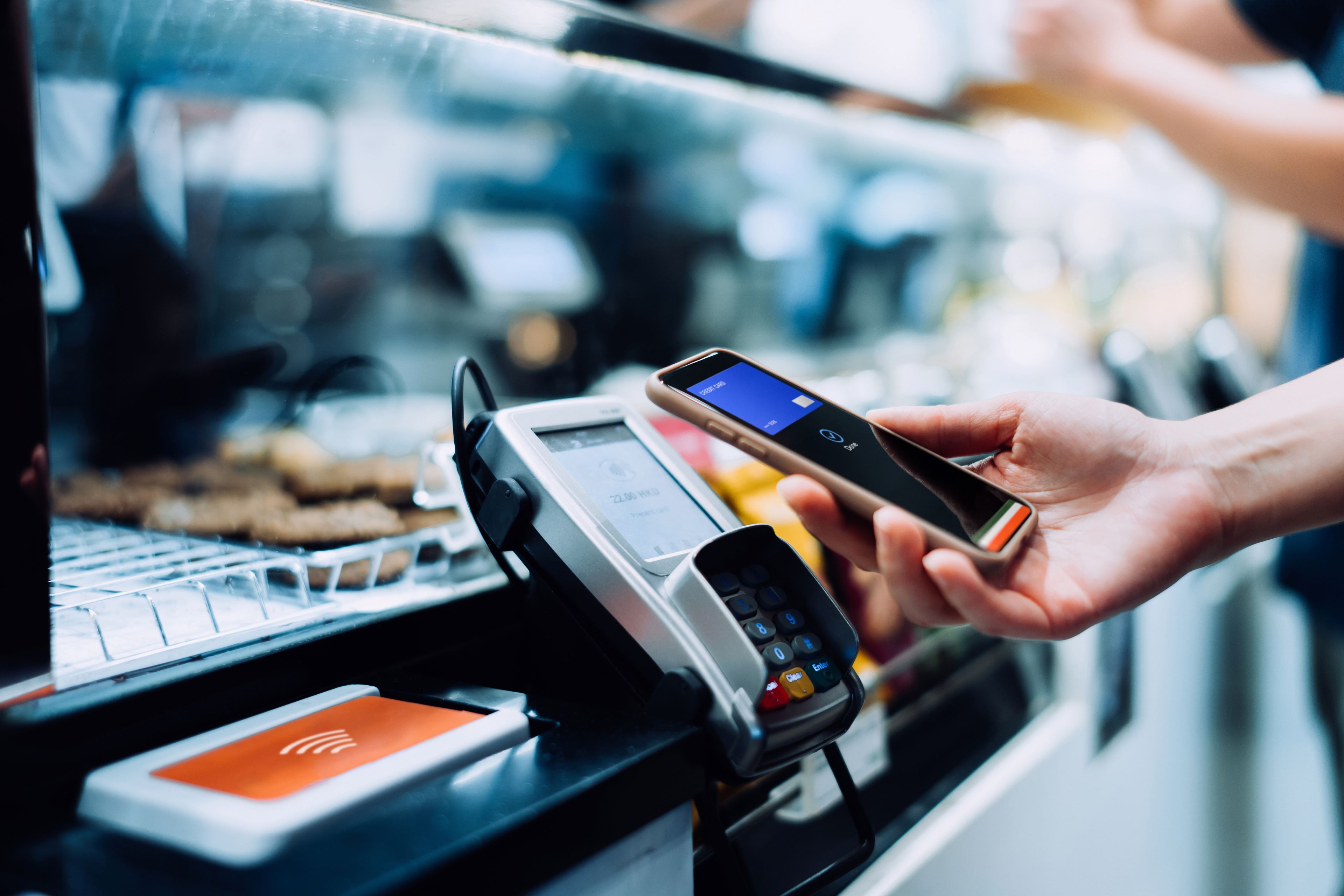
- Biometric-based payments using fingerprints or facial recognition
- Blockchain-enabled welfare distribution for extreme transparency
- AI-based verification systems to detect fraud
- Digital wallets as the primary mode of receiving benefits
- Cross-border digital welfare support for migrants
As countries adopt digital-first strategies, welfare delivery will become faster, safer, and more inclusive.
Conclusion
The adoption of Digital Payments for Welfare Programs represents one of the most meaningful advancements in public service delivery. By embracing digital technologies, governments can reduce corruption, cut administrative costs, improve transparency, and empower millions of people with quicker access to essential support. While challenges remain, the long-term benefits outweigh the obstacles. Digital payment systems not only modernize welfare distribution but also play a crucial role in promoting financial inclusion and building more resilient societies. As technology continues to advance, digital welfare payments will be at the heart of future-ready social protection systems—efficient, accountable, and accessible to all.
FAQs
1. What are Digital Payments for Welfare Programs?
Digital payments for welfare programs are electronic methods for distributing government benefits directly to beneficiaries through bank transfers, mobile money, or e-wallets.
2. Why are digital payments important in welfare programs?
They improve efficiency, reduce fraud, increase transparency, and ensure that funds reach the right people quickly.
3. How do digital payments reduce fraud?
Every digital transaction is recorded, making it easier to verify beneficiaries and prevent duplicate or fake claims.
4. Can beneficiaries without bank accounts receive digital payments?
Yes. Mobile money, prepaid cards, and basic digital wallets allow unbanked individuals to receive welfare benefits.
5. Are digital payments secure?
Yes. Digital payments often use encryption, PINs, biometrics, and multi-factor authentication to ensure secure transactions.
6. What challenges come with digital welfare payments?
Common challenges include digital literacy gaps, poor internet connectivity, cybersecurity risks, and data mismatches.
7. How do digital payments promote financial inclusion?
Beneficiaries often open bank accounts or digital wallets, which connect them to formal financial services like savings and credit.
8. Can digital payments speed up welfare distribution?
Absolutely. Payments can be processed instantly, reducing delays caused by manual verification and paperwork.
9. What types of welfare funds can be paid digitally?
Food subsidies, pensions, unemployment benefits, education scholarships, housing support, and emergency relief payments.
10. What is the future of digital payments in welfare?
Emerging technologies like AI, biometrics, and blockchain will make welfare distribution more transparent, efficient, and user-friendly.