
The telecommunications industry is one of the most transaction-heavy sectors in the global economy. Every day, telecom operators handle millions of payments from customers who subscribe to mobile, internet, and digital communication services.

These payments include mobile recharges, postpaid bills, data plan renewals, and various value-added services. To manage these high transaction volumes efficiently, telecom companies rely on advanced Telecoms payment processing software. Modern payment processing software designed specifically for the telecom sector helps companies automate billing, secure transactions, and deliver seamless payment experiences to customers. As digital payments continue to grow worldwide, telecom providers must implement reliable and scalable Telecoms payment processing systems to stay competitive and maintain operational efficiency. This article explores the importance of Telecoms payment processing, how Telecoms payment processing software works, its key features, benefits, and the future of payment technology in the telecom industry.
Understanding Telecoms Payment Processing
Telecoms payment processing refers to the technologies, systems, and procedures used by telecommunications companies to handle customer payments. These payments can be processed through various channels, including credit cards, debit cards, digital wallets, bank transfers, mobile money services, and prepaid vouchers. Unlike traditional businesses, telecom companies operate with multiple billing models. These include:
- Prepaid services, where customers pay before using services
- Postpaid services, where customers receive a bill after usage
- Subscription-based plans, where payments recur monthly or annually
- Usage-based charges, such as international calls, roaming, or premium services
Managing these payment types requires a powerful and flexible system capable of handling large volumes of transactions in real time. This is where Telecoms payment processing software becomes essential.
What is Telecoms Payment Processing Software?
Telecoms payment processing software is specialized payment processing software designed to manage billing, payment authorization, transaction settlement, and financial reporting for telecom providers. It acts as the central system that connects customers, telecom billing platforms, payment gateways, banks, and financial institutions. This software enables telecom companies to automate payment collection, process transactions instantly, and maintain accurate financial records. By integrating with telecom infrastructure such as customer relationship management (CRM) systems and billing platforms, it ensures that payments are reflected immediately in the customer’s account. For example, when a customer pays a mobile bill online, the Telecoms payment processing system verifies the payment method, processes the transaction through a payment gateway, updates the billing system, and confirms the payment to the customer—all within seconds.
Why Telecom Companies Need Payment Processing Software
Telecom providers operate in an environment where speed, reliability, and accuracy are critical. Without efficient Telecoms payment processing software, managing millions of transactions manually would be impossible.Here are some key reasons telecom companies rely on advanced payment processing software.
High Transaction Volume
Telecom operators process enormous numbers of transactions daily. Customers frequently recharge prepaid accounts, pay bills, and subscribe to data plans. Automated Telecoms payment processing systems ensure these transactions are handled quickly and accurately.
Multiple Payment Channels
Customers expect flexible payment options. Modern telecom payment systems support various methods including:
- Credit and debit cards
- Mobile wallets
- Bank transfers
- Online payment platforms
- Retail point-of-sale payments
Telecoms payment processing software integrates all these channels into one centralized platform.
Real-Time Service Activation
In telecom services, payment often triggers immediate service activation. For example, when a customer purchases a data package, the service must be activated instantly. Efficient Telecoms payment processing systems enable real-time transactions and service delivery.
Security and Compliance
Handling financial data requires strict security standards. Advanced payment processing software includes encryption, fraud detection, and compliance with global standards such as PCI DSS to protect sensitive information.
Key Features of Telecoms Payment Processing Software
A robust Telecoms payment processing software solution includes several features designed to support telecom operations.
Real-Time Transaction Processing
Real-time processing allows telecom companies to confirm payments instantly and activate services immediately. This feature is especially important for prepaid services where customers expect immediate access.
Automated Billing and Invoicing
Automated billing ensures accurate invoice generation and reduces manual errors. Telecom operators can automatically generate monthly bills for postpaid customers and notify them through email, SMS, or mobile apps.
Multi-Channel Payment Support
Modern payment processing software supports payments through multiple channels, including:
- Online portals
- Mobile applications
- Retail outlets
- ATMs
- Digital wallets
This flexibility improves accessibility and customer convenience.
Recurring Payment Management
Subscription-based telecom services require recurring billing capabilities. Telecoms payment processing software automates these payments, ensuring customers are billed on schedule without manual intervention.
Fraud Detection and Risk Management
Security is a major concern in digital transactions. Telecom payment systems include tools that monitor suspicious activity, detect fraudulent transactions, and prevent unauthorized access.
Reporting and Analytics
Advanced analytics allow telecom companies to track payment trends, revenue streams, and customer behavior. These insights help businesses improve financial planning and operational efficiency.
Benefits of Telecoms Payment Processing Software
Implementing efficient Telecoms payment processing software offers numerous advantages for telecom operators and their customers.
Improved Customer Experience
Customers expect quick and hassle-free payment options. With advanced Telecoms payment processing, they can pay bills or recharge services anytime through multiple channels. This convenience increases customer satisfaction and loyalty.
Faster Revenue Collection
Automated payment systems ensure faster processing and settlement of transactions. Telecom companies can collect revenue more efficiently and reduce delays in payment reconciliation.
Reduced Operational Costs
Manual billing and payment management require significant resources. By using automated payment processing software, telecom companies can reduce administrative costs and minimize human errors.
Scalability
As telecom networks grow and customer bases expand, transaction volumes increase significantly. Telecoms payment processing software is designed to scale with business growth, ensuring reliable performance even during peak transaction periods.
Enhanced Security
Secure payment processing protects both customers and telecom providers from financial fraud. Encryption technologies and compliance standards ensure that sensitive data remains protected.
Integration with Telecom Systems
One of the most important aspects of Telecoms payment processing software is its ability to integrate with other telecom platforms.
Billing Systems
The payment system connects with billing platforms to update customer balances and payment status in real time.
Customer Relationship Management (CRM)
Integration with CRM systems allows telecom companies to manage customer accounts, track payment history, and offer personalized services.
Payment Gateways
Payment gateways act as intermediaries between the telecom provider and financial institutions. The Telecoms payment processing system connects to these gateways to authorize and process transactions securely.
Mobile Applications
Many telecom companies provide mobile apps where customers can check balances, pay bills, and recharge services. Payment processing software enables these app-based transactions.
Challenges in Telecoms Payment Processing
Despite its benefits, implementing Telecoms payment processing software can present several challenges.
System Integration
Integrating payment systems with existing telecom infrastructure can be complex. Companies must ensure compatibility with billing platforms, CRM systems, and network management tools.
Regulatory Compliance
Telecom companies operate in highly regulated environments. Payment systems must comply with financial regulations, data protection laws, and industry standards.
Security Threats
Cybersecurity threats such as data breaches and payment fraud remain major concerns. Telecom operators must continuously update security protocols and monitor systems for vulnerabilities.
Handling Global Transactions
Many telecom companies operate internationally, requiring support for multiple currencies and cross-border payment regulations.
Future Trends in Telecoms Payment Processing
The future of Telecoms payment processing is closely tied to digital innovation and emerging technologies.
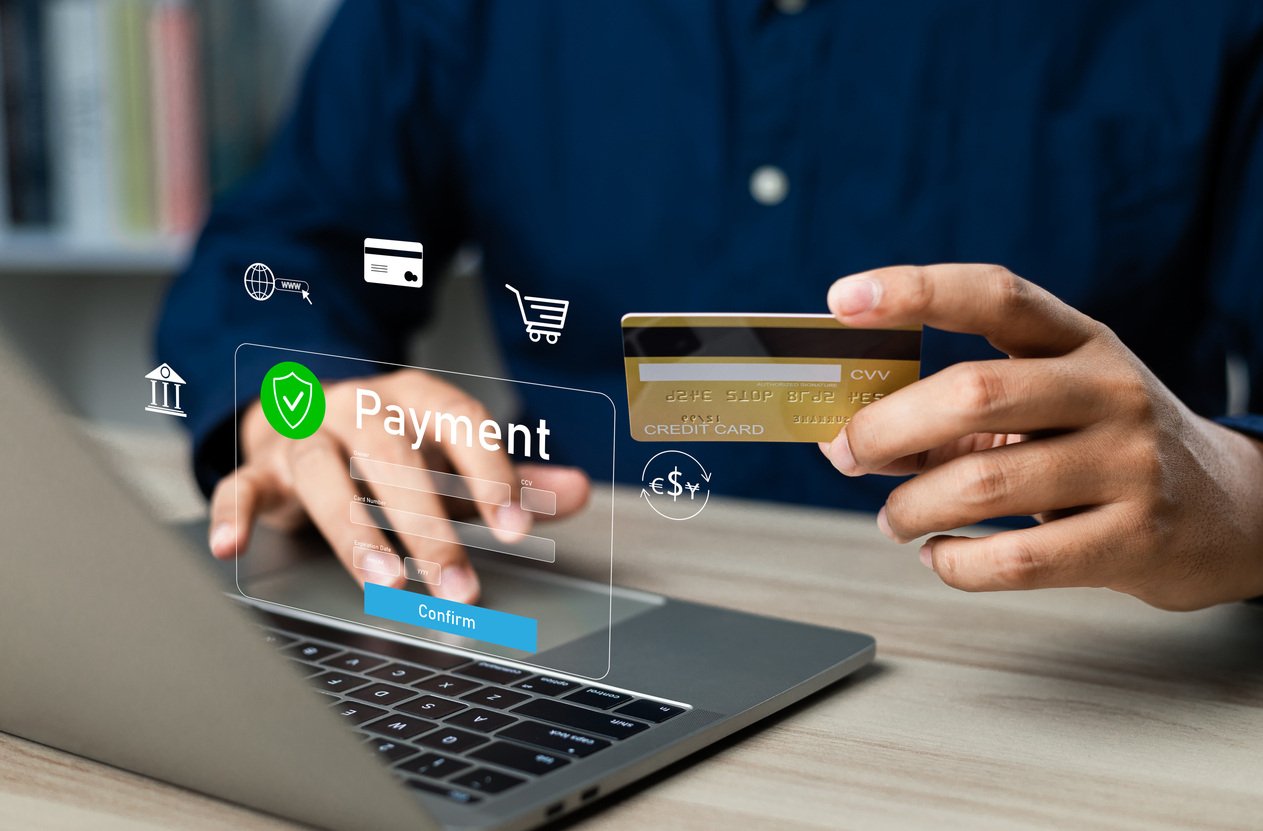
Cloud-Based Payment Platforms
Cloud technology is transforming payment processing software by offering scalable, flexible, and cost-effective solutions. Cloud-based telecom payment systems allow operators to process transactions more efficiently without heavy infrastructure investments.
Artificial Intelligence and Automation
Artificial intelligence is being used to detect fraud, analyze transaction patterns, and automate financial processes. AI-powered systems can identify unusual activity in real time and prevent fraudulent transactions.
Blockchain Technology
Blockchain has the potential to improve transparency and security in telecom payments. It can provide secure, decentralized transaction records that reduce fraud risks and improve trust.
Mobile and Digital Wallet Payments
As smartphone usage grows, mobile wallets and digital payment platforms are becoming more popular. Telecoms payment processing software must support these emerging payment methods to meet customer expectations.
5G and IoT Payments
The expansion of 5G networks and Internet of Things (IoT) devices may introduce new types of transactions, such as automated payments between connected devices. Telecom payment systems will need to adapt to these evolving technologies.
Conclusion
The telecommunications industry relies heavily on efficient financial operations to support millions of daily transactions. Telecoms payment processing software plays a crucial role in ensuring that payments are processed quickly, securely, and accurately. By implementing advanced Telecoms payment processing systems, telecom companies can streamline billing operations, support multiple payment channels, improve customer satisfaction, and maintain secure financial transactions. As digital payment technologies continue to evolve, modern payment processing software will remain a critical component in the success and growth of telecom service providers worldwide. With the integration of cloud computing, artificial intelligence, and advanced security technologies, the future of Telecoms payment processing software promises even greater efficiency, scalability, and innovation for the telecommunications industry.